

The Benefits of Buying Coffee Beans 1kg in Bulk
Coffee beans are the seeds of a coffee plant and come in various varieties. The flavors can be floral, fruity, nutty, or chocolatey. Bulk coffee beans are available at a cost-effective price.
Buy in bulk to reduce packaging waste, and also helps the environment by keeping grounds of coffee from being thrown away. It also allows you to test different grind sizes and brewing techniques.
Cost-effectiveness
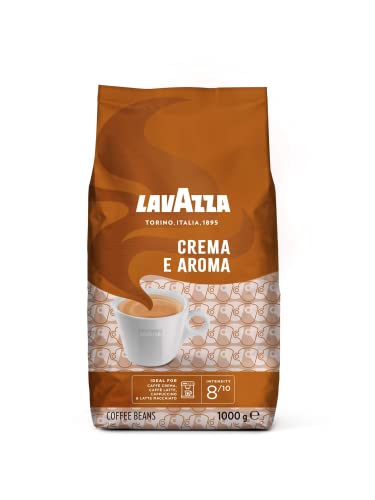
Bulk coffee beans are good for the environment as well as your wallet. The larger the quantity the smaller amount of packaging waste you generate. The bags that are large can be resealed and keep your coffee fresh. This is important for any business as it helps you maintain the same quality of service and reduce the chance of overstocking. It is essential to remember that the price per kilo may not always reflect the true cost. The actual cost could be affected by unexpected costs, such as port fees or insurance costs, as well as labor.
The second most popular beverage in the world is coffee. It is costly to make despite its popularity. You can save money by purchasing bags of 1kg of beans. They also allow you to keep your supply. If you prefer espresso or filter coffee 1kg bags can make enough for a few cups.
A coffee bean 1kg also lets you experiment with different sizes of grinds, brewing methods and flavors in order to find the ideal taste. This freedom to experiment is particularly beneficial for home brewers as it will help them discover new flavour profiles. It can also inspire people to make their own coffee instead of purchasing pre-ground coffee in plastic containers.
There is a growing interest in the market for products that have a lower environmental impact. This is particularly the case for coffee lovers who often look for sustainable packaging. Coffee beans can be composted, or recycled, which reduces packaging waste. This is a fantastic alternative for coffee lovers who wish to save money while making a positive contribution to the environment.
A kilo coffee beans can yield around 140 cups. It is a favorite option for filter and espresso coffee drinkers. A kilo of coffee beans are an excellent way to enjoy a good morning without spending an excessive amount of money.
The price of coffee is influenced by a variety of factors such as the type and the region of the bean. The changing climate has impacted the harvest and reduced the areas that are suitable for coffee production and has resulted in more expensive prices. Coffee beans also require a significant amount of work to prepare for export. Sabcomeed, which roasts and sells the coffee in Yemen, requires 14 full-time workers for its four drying centers. This is a lot of employees for a tiny amount of coffee.
Fresher taste
If you enjoy drinking freshly brewed coffee, buying whole beans in bulk can save you money and guarantee the freshest flavor. Coffee beans are natural and can lose their flavour when they are not stored correctly. To keep them safe from humidity and heat, they should be stored in an airtight container. Store them in a dark, cool place. Avoid keeping them in the fridge because the constant temperature fluctuations can cause the beans to break down faster.
Consider the roast level or origin, as well as the flavour profile when picking the flavor profile, origin, and level of roast when choosing a bag. Certain types of beans offer distinctive flavour notes, such as floral, fruity, nutty, or chocolatey. You can select the blend of various beans to create a flavor profile that is diverse and rich, or you can select beans that come from a single source for a nuanced taste. You can also select beans that are ethically sourced or certified as organic.
If the coffee beans are left unopened they will retain their freshness for one year. Once they are opened the beans will lose their taste when exposed to oxygen. The best method to keep your coffee beans fresh is to store them in a container or bag, and then keep them in a cool, dark area.
When you purchase a bag of beans, look for an identifying label that indicates the date it was roast. The date should be within a couple of weeks of the date of purchase. Also, avoid coffee bags that have a "best by" date, since these are not as accurate as the date on the roast.
MaxiCoffee offers a wide range of premium beans in 1kg bags. MaxiCoffee uses premium coffee beans from different regions to create a distinctive flavor profile. There are even single-origin or blended options that are certified fair-trade and organic.
One kilogram of coffee beans could create dozens of cups of delicious, tasty brew. How do you know whether your coffee was freshly made? You can test the taste of your coffee by adding some milk. If adding milk to your coffee causes it to taste bitter or bland, your beans may be old.
Variety
The variety of coffee beans 1kg available is amazing and the choices can be overwhelming. Whether you're looking for a soft and gentle taste or something a bit more robust, there's likely to be an option that is a perfect match for your preferences. The type of coffee you pick will also depend on your method of brewing, such as espresso machines require finely ground coffee than filter coffee machines, and you'll go through the beans more quickly if you like it more robust.
Recognized and respected across the world of show business, Variety is the premier source for entertainment news. Since 1905, the industry's most influential leaders have relied on Variety for timely, credible and straightforward information and news. It's the primary daily read for anyone working in the show business.
Economic efficiency
If you're a coffee lover it is essential to purchase your beans in large quantities. This will allow you to save money on each cup of coffee that you purchase, and also provides you with a more uniform flavor. In addition, buying in bulk will save you the headache of shopping for beans regularly. You can also save on storage space and packaging. Coffee bags that are larger will also allow you to make more cups of coffee and save money over time.
Prices for coffee beans are affected by many factors, such as the climate and size of the plantation. However they are also influenced by practices of cultivation and production. These practices are largely the result of decisions made by coffee growers. A farmer can improve the quality of coffee by selecting the right cultivars for each region of the climate and also by using various fertilizer and pesticide mixtures. The decision to plant new varieties or use more efficient irrigation methods can also increase productivity.
buy 1kg coffee beans on coffee's scientific basis can provide many benefits, such as improved varieties that are resistant to disease and agronomic practices to aid in harvesting and establishment of the crop as well as innovative postharvest processing methods. Moreover, these technologies can be used to improve the efficiency of the coffee industry by reducing production costs and increasing the earnings of coffee farmers. This will enable them to compete with other agricultural commodities like corn, wheat and sugar cane.
A coffee producer can boost efficiency by reducing the use fertilizer, adjusting harvesting times, and implementing efficient irrigation methods. The coffee plantation must be situated in an area that has favorable climate conditions. To prevent the damage to plants, it is essential to establish a pest control system.
The study looked into the impact of different post-harvest processing methods for coffee on the efficiency of the environment. The results showed that the use of organic coffee pulp biomass (OPB) during the cultivation process and chemical-coffee pulp biomass (CPB) in post-harvest processing resulted in greater economic value added to the farmers.
This value was added because of the reduction in carbon emissions and consumption of energy. The Dry Process and Wet Process that included wet hulling were also the most energy-efficient process.